
My current research is on the political ecology of mental distress, and especially the relationship between activities in nature – such as gardening – and wellbeing. This is part of a wider interest in the environmental governance dimensions of health and disability.
In the UK there is substantial policy interest in nature-based activities such as walking, farm work and forest bathing to improve health and wellbeing, including during the covid pandemic. There is also evidence from psychology and the social sciences for the benefits of these kind of activities, both for users of mental health services and the public more generally. However, some critics have pointed to the limitations of nature-based solutions where they rely on idioms of healthy relationships to nature that not everyone engages with or has access to, as well as for the tendency to instrumentalise nature itself. Therefore part of my work addresses how assumptions about the healing properties of nature are represented and reproduced in the popular media such as television programmes.
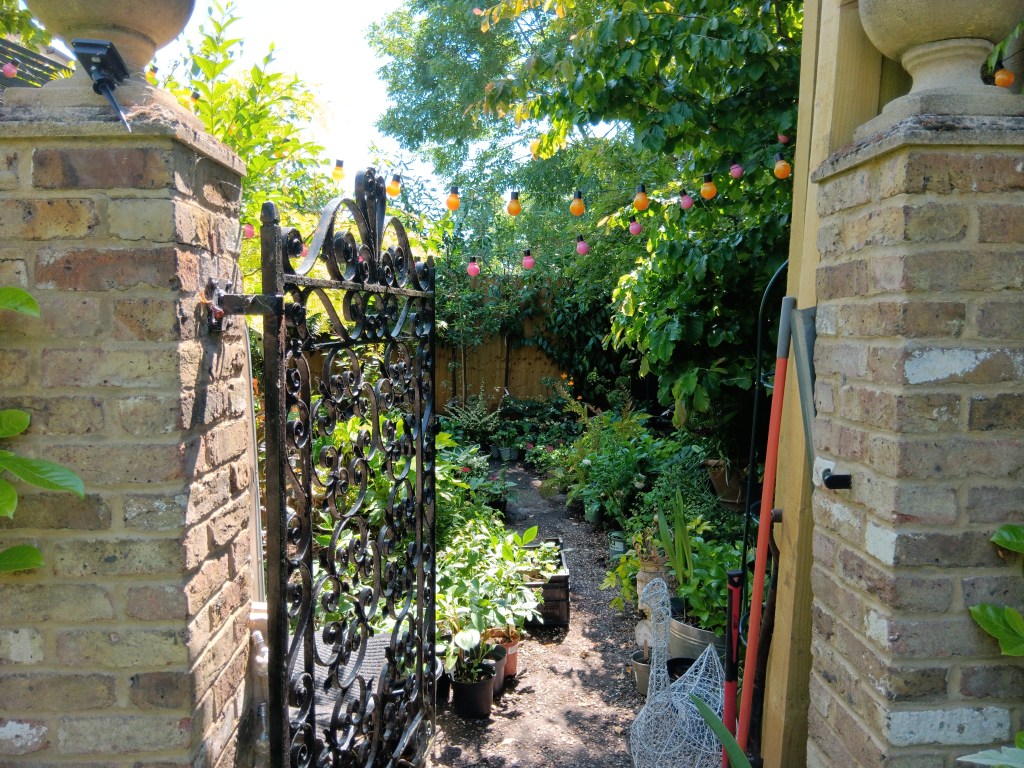
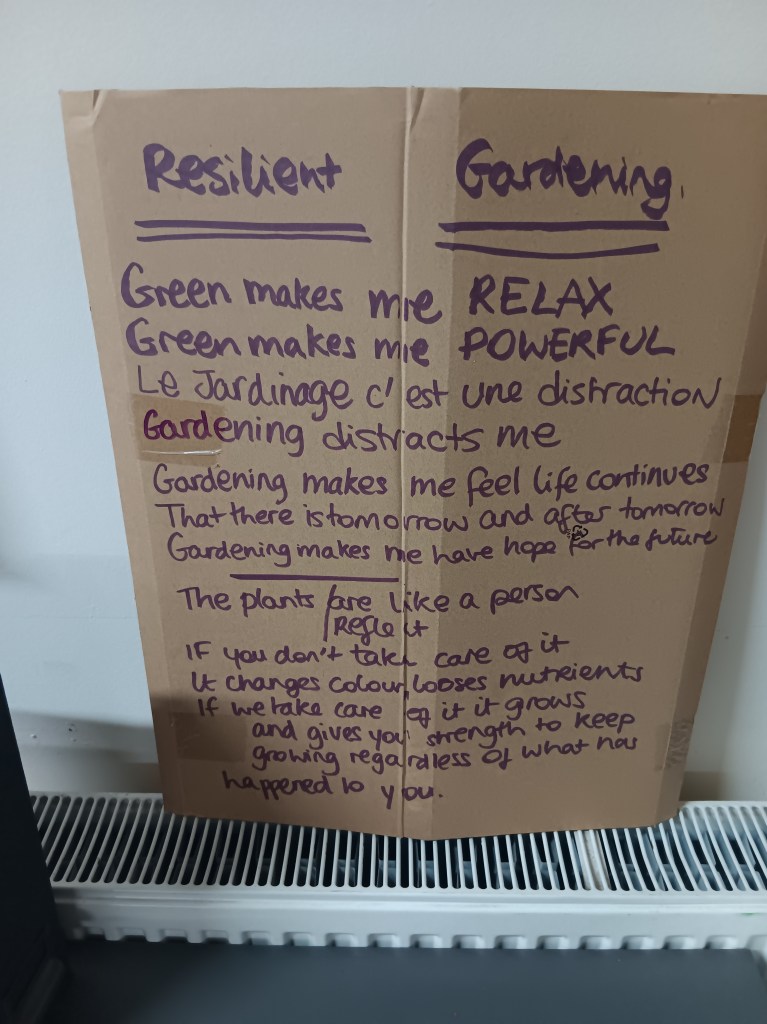
Gardening differs from some other activities in that it involves substantial manipulation of the natural environment. It provides opportunities for self-expression, experimentation and a sense of achievement. Some have referred to a sense of hope for the future associated with the anticipation of planting and watching things grow. Therefore I am interested in how gardening differs from forms of “ecotherapy” based on more passive encounters with green environments.
Furthermore, gardeners are often interested in doing good things for the environment more broadly, such as using sustainable sources of compost, reducing food air miles or increasing biodiversity and may be interested in issues such as climate change. However, teasing out the relationship between the environmental and wellbeing aspects of gardening is a complex task. Working with an undergraduate student research fellow, I am currently conducting survey and interview research to gain a further understanding of the relationship between practices such as gardening, human wellbeing and everyday knowledges of ecological crisis.
 Camilla Royle